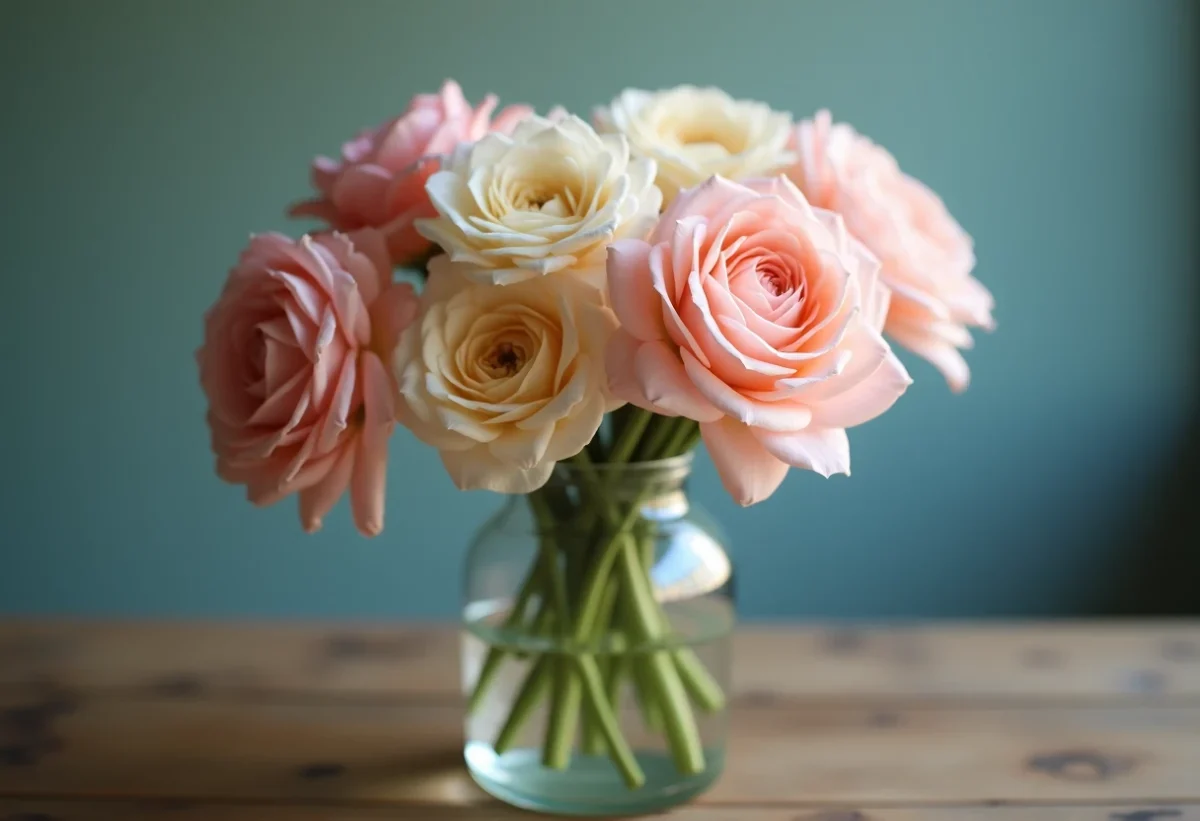
Flowers have always been more than mere ornaments; they speak a subtle and complex language. Each variety, each color, each arrangement carries hidden messages and veiled emotions. From the red rose symbolizing passionate love to the sunflower evoking admiration, the choice of flowers can convey a lot without a word being spoken.
Throughout the ages and cultures, this form of silent communication has managed to transcend time, offering a delicate and refined means of expression. Understanding this language adds a new dimension to bouquets and floral arrangements, transforming each composition into living poetry.
Floriography: A Story of Emotions
Floriography, a term referring to the language of flowers, has its roots in ancient cultures. Used by the Egyptians, Greeks, and Romans, this symbolic language has been codified and refined over the centuries. The Victorians, in particular, developed a complex system to express unspoken feelings in a society governed by rigid conventions.
| Period | Users |
|---|---|
| Antiquity | Egyptians, Greeks, Romans |
| Victorian Era | Victorians |
Flowers and their symbols stem from the origin of their name, their characteristics, or even mythology. For example, the meaning of the daisy is often associated with innocence and simplicity. This flower embodies a purity that the Victorians knew how to appreciate and interpret.
- Rose: Love and passion
- Tulip: Declaration of love
- Daisy: Innocence and simplicity
- Lily: Purity and majesty
Floriography has created a universe where each flower becomes a symbol, each bouquet a letter. The Victorians, in particular, used this language to navigate social prohibitions. Even today, understanding this language enriches our perception of flowers and their hidden messages. 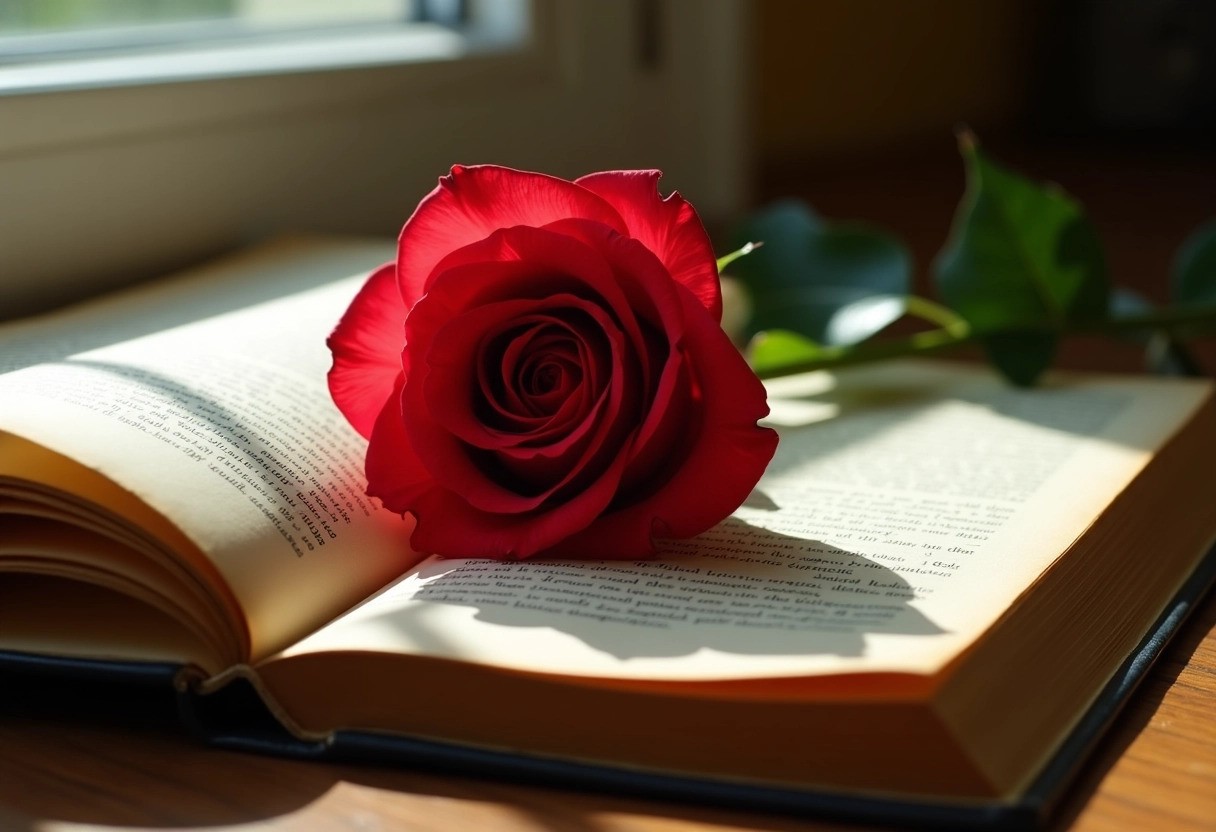
The Most Common Flowers and Their Meanings
The rose, emblem of love and passion, is undoubtedly the most used flower to express romantic feelings. A red rose symbolizes ardent love, while a white rose evokes purity and sincerity of intentions. The shades of color allow for modulation of the message, adding depth to the floral language.
The tulip, for its part, represents the declaration of love. Giving a bouquet of tulips is a straightforward and direct way to express one’s feelings. Their simplicity and elegance make them perfect messengers for sincere and clear emotions.
The daisy is synonymous with innocence and simplicity. This flower, often associated with childhood, carries a natural purity and grace. Giving daisies conveys a message of candor and freshness.
The lily, majestic and pure, is often associated with nobility and spiritual elevation. Its enchanting fragrance and slender silhouette make it a symbol of purity and grandeur.
The peony symbolizes romance and prosperity. Its opulent flowers and rich colors make it a favored choice for weddings and romantic celebrations.
The ivy, with its ability to cling and climb, symbolizes attachment and eternal love. It is often used in floral compositions to express fidelity and lasting commitment.
| Flower | Meaning |
|---|---|
| Rose | Love and passion |
| Tulip | Declaration of love |
| Daisy | Innocence and simplicity |
| Lily | Purity and majesty |
| Peony | Romance and prosperity |
| Ivy | Attachment and eternal love |